Why your old Butynol or rubber roof is failing – and what to replace it with
Auckland Waterproofing Experts
- When a “good old” rubber roof stops being good
- How Butynol and rubber roofs were meant to work
- Why old Butynol and rubber roofs fail in Auckland
- Warning signs your old Butynol roof is at end of life
- Why constant patching is usually a bad strategy
- What NOT to replace an old rubber roof with
- Modern replacement options for old Butynol and rubber roofs
- Key factors when choosing a replacement system
- What a proper replacement project typically includes
- Signs it’s time to talk to a specialist
- Keeping your new roof performing for the long term
- Final thoughts: move from reactive to proactive
When a “good old” rubber roof stops being good
Many Auckland homes and light commercial buildings still rely on ageing Butynol or other rubber roofs that were “set and forget” solutions 15–30 years ago. Over time, UV exposure, movement, ponding water and installer shortcuts push these membranes past their safe service life, turning once‑reliable roofs into ongoing leak risks.
This article explains why older Butynol and rubber roofs typically fail in Auckland conditions, how to recognise when yours is at the end of its life, and the modern membrane systems that make sense as a replacement today – without overlapping your existing torch‑on and deck‑specific content.
How Butynol and rubber roofs were meant to work
Classic Butynol and similar EPDM/rubber membranes were designed as single‑layer waterproof sheets glued to a substrate, usually over:
- Flat or very low‑slope roofs
- Roof decks over living spaces
- Gutters, internal gutters and parapets
They relied on:
- A continuous rubber sheet to keep water out
- Adhesive bond to the substrate
- Sealed laps and upstands at walls, parapets and penetrations
When new and correctly detailed, these systems performed well, particularly compared with older bitumen paint or torch‑on jobs of their era. The problem is that many of those roofs are now decades old, and the original assumptions no longer match reality.
Why old Butynol and rubber roofs fail in Auckland
Auckland’s combination of strong UV, heavy rain events and building movement is tough on older single‑layer rubber membranes. Common failure drivers include:

UV and weather ageing
Over time, rubber membranes:
- Lose flexibility and become brittle under long‑term UV exposure
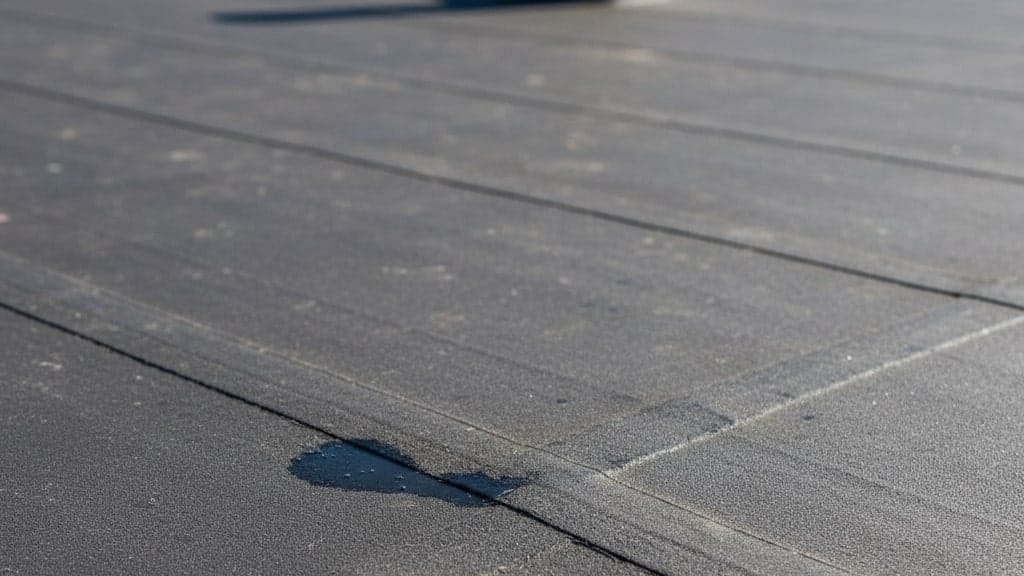
- Develop micro‑cracking on the surface, especially where water ponds
- Fade and chalk, making it harder to see new damage
Once a membrane loses its flexibility, it cannot cope with normal thermal expansion and contraction of the roof structure, so small cracks quickly grow into leak paths.
Ponding water and poor falls
Many older flat roofs were built with minimal falls. As timbers settle and sag, water starts to sit in shallow “bird baths” on the membrane. This speeds up:
- UV deterioration in those areas
- Breakdown of adhesives beneath the ponding zones
- Failure around outlets and internal gutters
Even if the membrane itself looks intact, prolonged ponding often leads to leaks at penetrations, trims and outlets first.
Movement at laps, edges and penetrations
Rubber roofs depend heavily on tight detailing at:
- Sheet laps and seams
- Upstands and terminations at walls, parapets and balustrades
- Pipe penetrations, skylights and vents
As buildings move and timber substrates expand and contract, stresses concentrate at these details. On older roofs, you’ll often find:
- Laps starting to lift
- Shrinkage pulling the membrane away from edges
- Cracks or splits around penetrations
Once any of these details open up, wind‑driven rain and capillary action can carry water a surprising distance under the membrane.
Substrate and adhesive breakdown
Many early Butynol jobs went over:
- Unventilated plywood
- Old bitumen residues
- Substrates that were never designed for decades of trapped moisture
If moisture gets beneath the membrane – from condensation, minor leaks or internal humidity – the substrate can swell or de‑laminate. That movement breaks adhesive bonds and lifts the membrane, creating blisters and bubbles that eventually split.
Warning signs your old Butynol roof is at end of life
Not every mark on a rubber roof means immediate replacement, but certain patterns strongly suggest the system has reached the point where patching is false economy.
Look for:
- Widespread surface cracking or crazing, not just one small area
- Persistent ponding that doesn’t drain within 24 hours of rain stopping
- Laps that are lifting, or seams you can easily peel with your fingers
- Membrane pulling tight at parapets or edges, exposing substrate or fixings
- Multiple historical patches or tape repairs across large areas
- Ongoing leaks despite “fixes” at individual cracks or outlets
If you’re seeing several of these together, the membrane is no longer performing as a system. Isolated repairs become short‑term band‑aids rather than a durable fix.
Why constant patching is usually a bad strategy
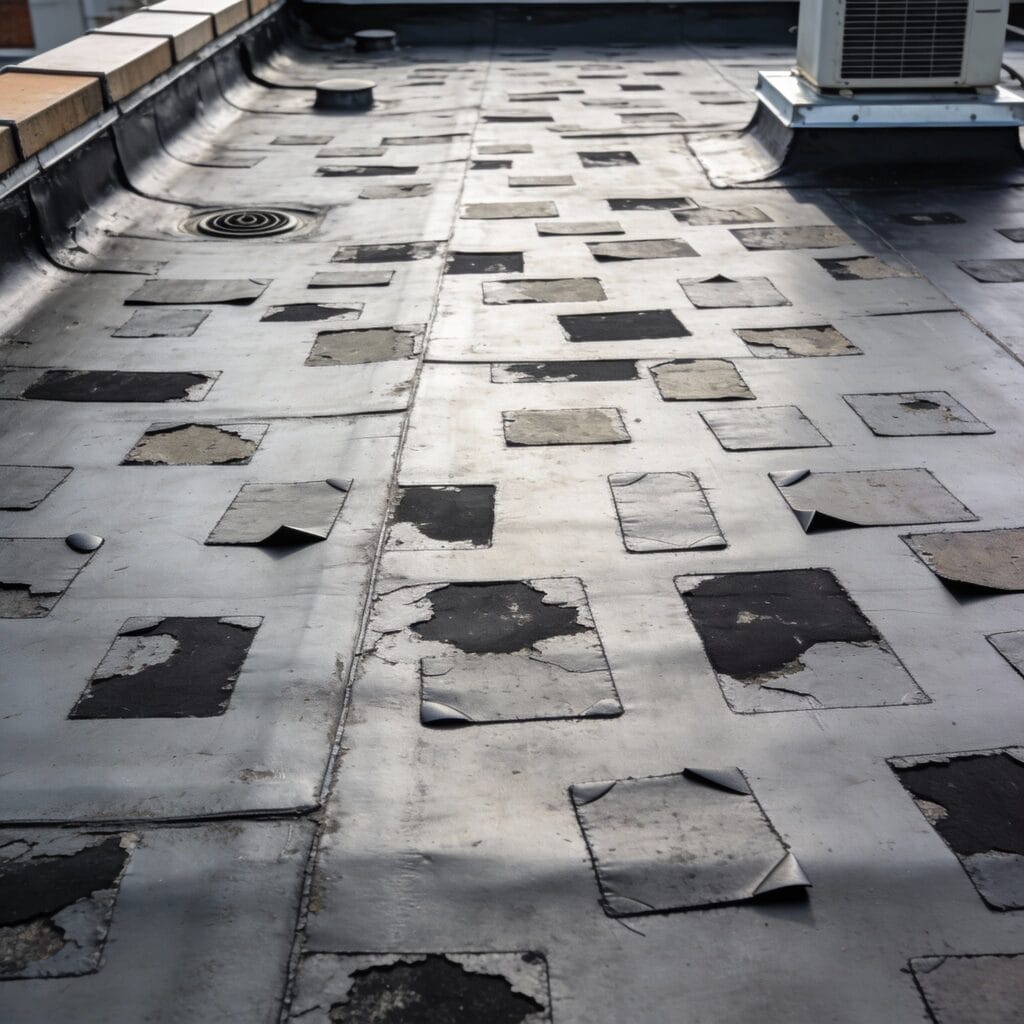
It’s tempting to keep patching visible cracks or leaks, especially if each fix seems cheap on its own. The catch is that each patch:
- Only treats the latest visible symptom, not underlying material ageing
- Adds extra edges and joins – more potential failure points
- Can void or complicate any future warranty from a new system
For older Butynol roofs, there’s often a tipping point where the cost and disruption of repeated call‑outs over a few wet seasons exceeds the one‑off investment in a fully renewed membrane and improved falls. Choosing that moment deliberately, rather than after significant interior damage, protects both your budget and your property value.
What NOT to replace an old rubber roof with
Before looking at good replacement options, it’s worth ruling out a couple of common “quick fixes” that cause trouble later.
Painting directly over a failing membrane
Waterproofing paints or generic roof coatings applied straight on top of brittle, cracked rubber rarely deliver long‑term waterproofing. Problems include:
- Poor adhesion to chalky, aged rubber
- Cracks re‑telegraphing through the new coating
- Trapping moisture between layers, speeding up failure
These products can have a place as part of a correctly specified system on sound substrates, but they’re not a magic cure for an exhausted membrane.
New membrane over unknown or damaged substrate
Simply laying a new sheet over old Butynol without understanding the condition of the plywood, falls and drainage underneath is another risky shortcut. If the substrate is already compromised, the new system inherits all those weaknesses.
For most older roofs, a professional replacement will at least involve:
- Stripping back to a sound substrate
- Checking and correcting falls where practical
- Repairing or replacing damaged plywood or framing
- Re‑detailing outlets, parapets and penetrations
Modern replacement options for old Butynol and rubber roofs
Once you accept that a roof is due for full renewal, the next decision is which system best suits your particular roof. Today’s options give far superior performance, durability and warranties than the original Butynol install – provided they’re matched correctly to the roof use and detailing.
Below are high‑level categories you can discuss with a specialist; each brand has its own data sheets, BRANZ appraisals and detailing requirements.
1. High‑performance torch‑on bituminous membranes
Modern torch‑on systems use multi‑layer bituminous membranes with reinforced carriers and polymer‑modified compounds to deliver:
- Excellent durability and flexibility under UV
- Strong resistance to ponding and foot traffic
- Proven performance on flat roofs and gutters
For many ageing Butynol roofs over standard flat roofs (not trafficable decks), a two‑layer torch‑on system over a properly prepared substrate is a robust, long‑term replacement. Different brands and product lines allow tuning to:
- Climate zone and exposure
- Desired warranty length
- Fire and safety requirements
2. Single‑ply TPO and similar thermoplastic membranes
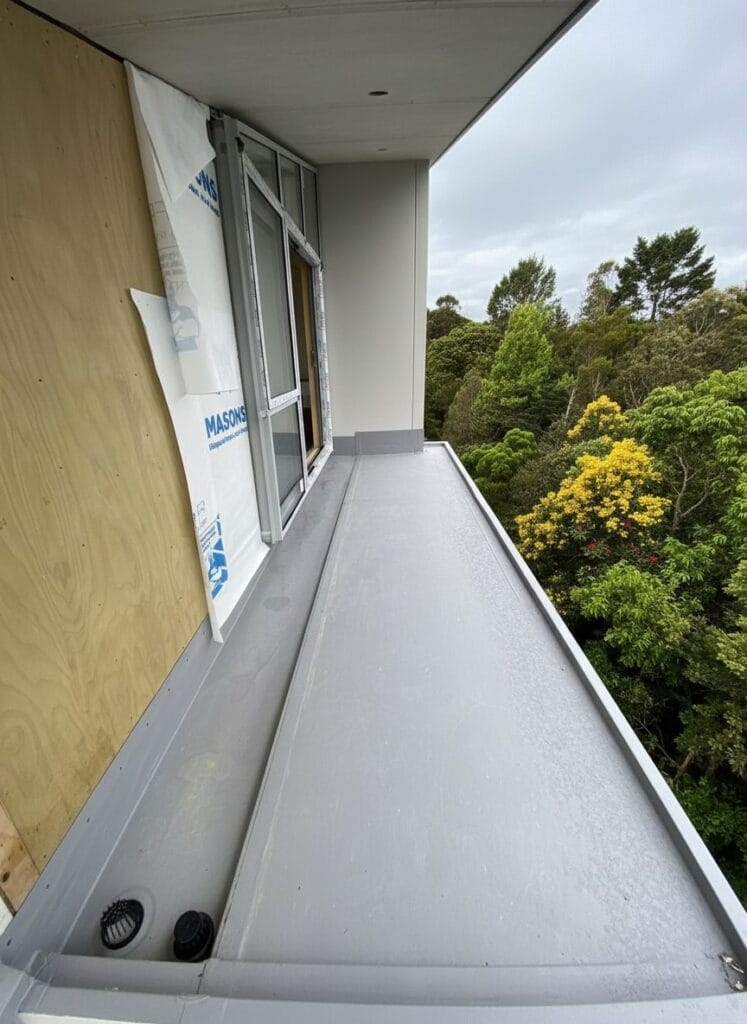
Where weight, reflectivity and speed of installation matter, single‑ply TPO and similar thermoplastic membranes are increasingly popular. Benefits include:
- Light‑coloured, reflective surfaces that reduce heat gain
- Hot‑air welded seams for consistent laps
- Good flexibility and UV resistance
They are particularly suited to:
- Large commercial or multi‑unit roofs
- Retrofits where keeping weight down is important
- Roofs where future solar installation is likely
Correct detailing at edges, upstands and penetrations remains critical, and manufacturer‑approved installers are non‑negotiable if you want the full warranty.
3. Specialist deck and balcony membranes
If your old Butynol roof is actually a trafficable deck over living space, a dedicated trafficable membrane system is usually a better choice than generic roof sheet. These systems are designed to:
- Cope with the wear of foot traffic and furniture
- Integrate with tiles, floating decks or other surface finishes
- Provide robust waterproofing around balustrades and door thresholds
Using a true deck‑rated system significantly reduces the risk of damage from normal use and helps satisfy balcony and deck weathertightness expectations.
Key factors when choosing a replacement system
The “best” replacement is not the same for every roof. A professional assessment should weigh:
- Use of the space below – bedrooms, living areas, storage or services
- Traffic on top – purely a roof, or a deck/terrace with regular use
- Existing structure – timber or concrete, current falls, access for work
- Future plans – solar panels, extra storeys, or deck conversions
From there, a specialist can recommend a system with:
- A proven track record in Auckland conditions
- BRANZ appraisals and compliance pathways
- A manufacturer‑backed warranty appropriate to your plans
What a proper replacement project typically includes
To understand why a full replacement is more than just “new membrane on top”, it helps to visualise the steps involved. A typical project might include:
- Roof assessment and measure‑up
- Inspecting membrane condition, substrate, falls and drainage
- Identifying risk details (parapets, internal gutters, door thresholds)
- Strip and substrate repairs
- Carefully removing the old Butynol or rubber membrane
- Repairing or replacing damaged plywood or other substrates
- Improving falls where practical to reduce ponding
- Detail design and preparation
- Confirming outlet locations, edge terminations and upstand heights
- Installing compatible primers, bond breakers and fillets as required
- Membrane installation by trained applicators
- Applying the selected membrane strictly to manufacturer specifications
- Forming laps, corners and penetrations with the correct accessories
- Quality checks and documentation
- Flood‑testing or other verification where appropriate
- Providing producer statements, warranties and maintenance guidance
Taking this holistic approach turns a tired, leak‑prone roof into a system the owner can trust for the next 15–25 years, rather than another short‑term patch.
Signs it’s time to talk to a specialist
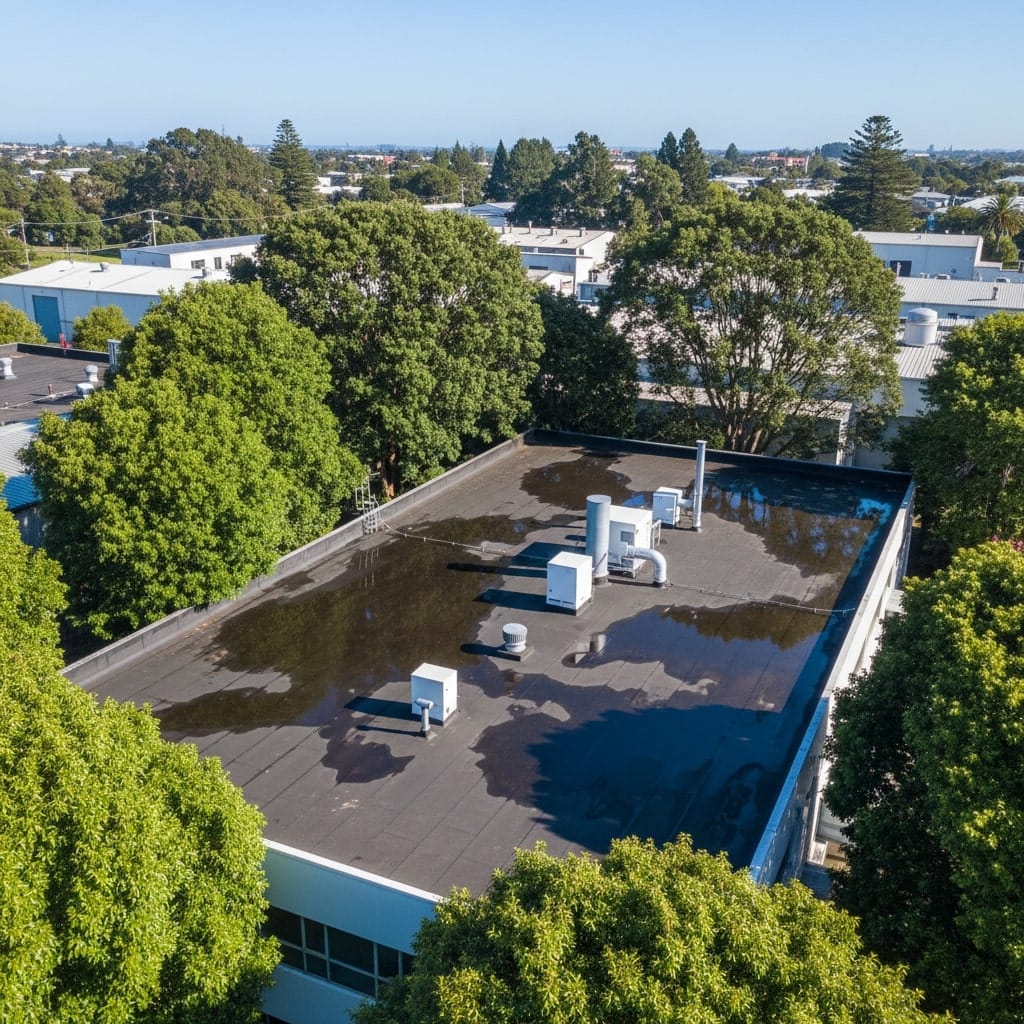
If you’re unsure whether your existing Butynol or rubber roof needs monitoring, targeted repair or full replacement, look out for:
- Repeated leaks in different locations over the past few winters
- Increasing numbers of patches or “emergency” fixes
- Insurance or pre‑purchase inspection comments flagging roof condition
- Visible widespread ageing, cracking and edge shrinkage
At that point, getting an experienced waterproofing contractor to inspect the roof, check the substrate, and outline realistic options is far more useful than one more tube of sealant. A good assessment will give you:
- A clear picture of current risk to the structure and interiors
- Honest guidance on remaining life expectancy
- Replacement options with indicative costs and warranty ranges
Keeping your new roof performing for the long term
Whatever system you choose to replace your old Butynol or rubber roof, long‑term performance depends on basic care. Simple habits include:
- Clearing leaves and debris from the roof and gutters at least twice a year
- Avoiding unnecessary trades traffic or sharp tools directly on the membrane
- Checking outlets and internal gutters before and after major storms
- Booking periodic inspections, especially towards the end of the warranty period
These checks help catch minor issues before they reach the level of wholesale failure you may be facing now with your current roof.
Final thoughts: move from reactive to proactive
An ageing Butynol or rubber roof that has started to fail is a signal, not just a nuisance. It signals that the original material has simply done its time in Auckland’s environment, and your building is ready for a modern, robust replacement system.
By recognising the typical failure signs, avoiding short‑term “fixes” that don’t address the root causes, and choosing a replacement membrane designed for today’s expectations and climate, you can shift from reactive leak chasing to proactive, long‑term protection for your home or building.
Read more about Butynol Waterproofing in this article “Butynol Waterproofing in Auckland“