Summer Waterproofing Projects: The Best Time for Major Installations
Auckland Waterproofing Experts
- Why Summer is the Ideal Season for Waterproofing in New Zealand
- Types of Waterproofing Projects Best Suited to Summer Installation
- Preparing Your Property for Summer Waterproofing Work
- Cost Considerations for Summer Waterproofing
- Common Summer Waterproofing Mistakes to Avoid
- Why Choose Professional Summer Waterproofing
- Frequently Asked Questions About Summer Waterproofing
- Final Thoughts: Invest in Summer Waterproofing
- Book Your Free Site Visit Today
Waterproofing is one of those critical building investments that most property owners don’t think about until something goes wrong. Yet, timing a waterproofing project right can make all the difference between a long-lasting, durable result and one that requires costly repairs sooner than expected. In Auckland, summer is often the best season for major waterproofing installations, thanks to favourable weather conditions, easier substrate preparation, and optimal curing times for membranes and coatings.
In this comprehensive guide, we’ll explore why summer offers the perfect window for waterproofing projects, the key benefits of planning ahead, the types of projects best suited to warm weather, and how property owners can prepare to maximise results from their waterproofing investment.
Why Summer is the Ideal Season for Waterproofing in New Zealand
New Zealand’s summer season typically runs from December to February, bringing warm, dry conditions that are ideal for construction and waterproofing work. For most waterproofing systems—whether torch-on membranes, liquid-applied coatings, or sheet membranes—ambient temperature and moisture conditions directly impact application quality, adhesion strength, and long-term durability.
1. Optimal Weather Conditions for Application
Most waterproofing systems require dry substrates and stable temperature ranges for proper adhesion and performance. Rain, high humidity, and fluctuating temperatures can delay installation schedules or compromise membrane adhesion, reducing the system’s lifespan.
Summer’s extended dry periods reduce weather-related project interruptions and improve scheduling certainty. Consider these specific advantages:
- Torch-on membranes require completely dry surfaces to prevent trapped moisture between the substrate and membrane, which can cause delamination
- Liquid membranes such as ARDEX WPM 002, and Nuradeck C, Mapei Mapelastic Smart perform optimally above 10°C and cure faster in warmer conditions
- Sheet membranes like TPO and EPDM need calm, dry weather for clean welding, detailing, and proper sealing at penetrations
Substrate moisture content is particularly critical. Winter rainfall in New Zealand can leave concrete slabs and masonry damp for extended periods. Summer’s lower humidity and warmer temperatures allow substrates to dry thoroughly before membrane installation, ensuring maximum adhesion.

2. Faster Curing Times and Reduced Project Downtime
During winter, many waterproofing materials cure significantly more slowly due to lower temperatures. This extends project timelines—sometimes by weeks—delaying access to balconies, bathrooms, or roof spaces while materials reach full strength.
Summer warmth accelerates curing times. For example:
- Two-part polyurethane membranes that might take 7-10 days to cure fully in winter can reach workable strength in 3-4 days during summer
- Torch-applied bituminous membranes bond more effectively and achieve full flexibility faster in warmer conditions
- Tile adhesive applied over waterproofing membranes cures faster, allowing tiling to proceed sooner
For builders and commercial property managers working to tight construction schedules, this faster turnaround means reduced project duration and faster return-to-service times—a significant cost saving.
“Less downtime. More progress. That’s how Auckland Waterproofing Experts keeps your business moving.”
Auckland Waterproofing Experts
3. Superior Membrane Performance and Longevity
Membranes applied during optimal weather conditions tend to perform better over their intended lifespan. When substrates are properly dried and ambient conditions are stable, membranes achieve:
- Better adhesion to the substrate, reducing the risk of delamination
- More consistent curing, eliminating weak spots or partial curing
- Improved sealing at joints, overlaps, and penetrations
- Enhanced flexibility, allowing the membrane to accommodate building movement
A waterproofing system installed under ideal conditions during summer can easily outlast one installed during challenging winter weather.
4. Easier Scheduling and Coordination with Other Trades
Summer is peak construction season in New Zealand. Because weather delays are far less common, waterproofing teams can schedule major projects with greater accuracy and predictability. This allows better coordination with related trades such as:
- Roofing contractors (for roof waterproofing projects)
- Tilers (applying finishes over membranes)
- Plasterers and decorators (completing interior surfaces)
- Landscapers (finishing outdoor areas)
Fewer scheduling conflicts mean smoother project flow and reduced overall construction costs.
Types of Waterproofing Projects Best Suited to Summer Installation
While waterproofing can technically be carried out year-round with proper precautions, certain installations benefit significantly from summer’s stable, warm conditions.
1. Flat Roof Waterproofing
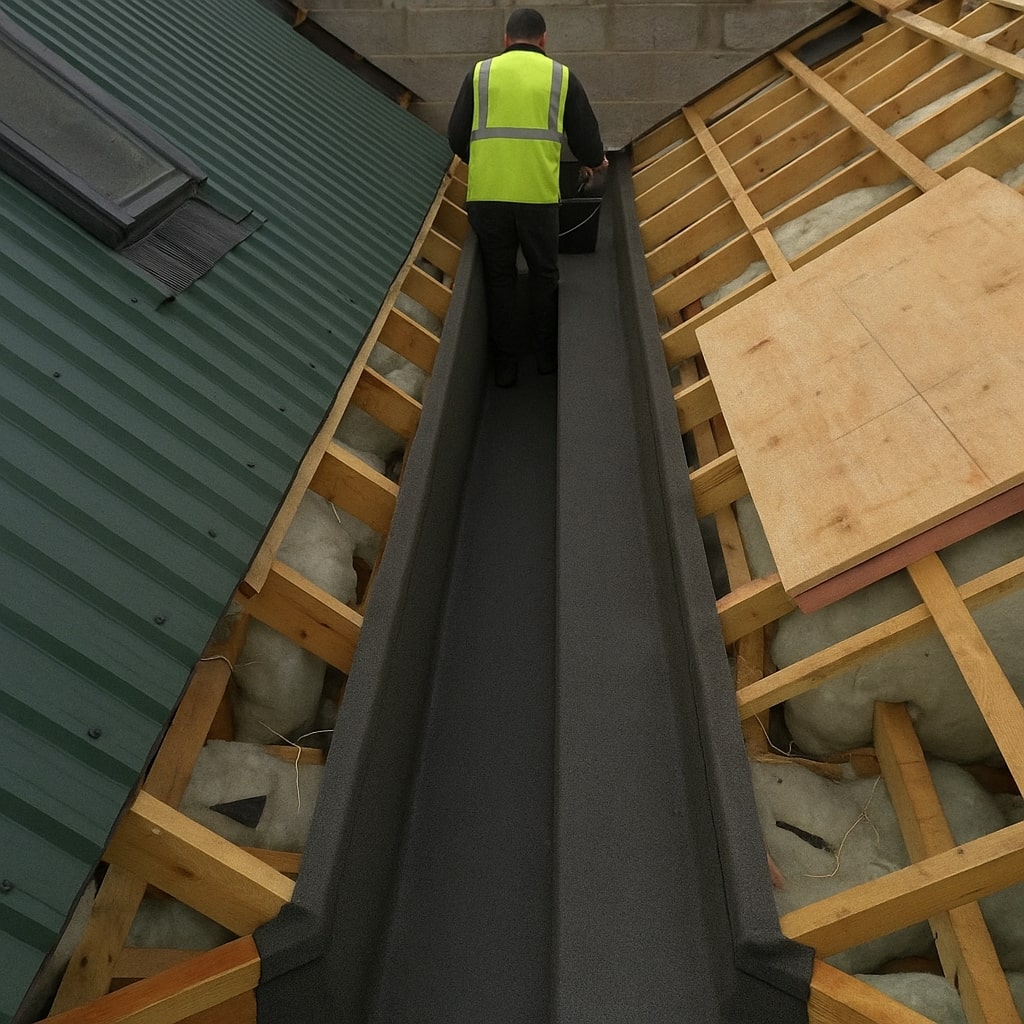
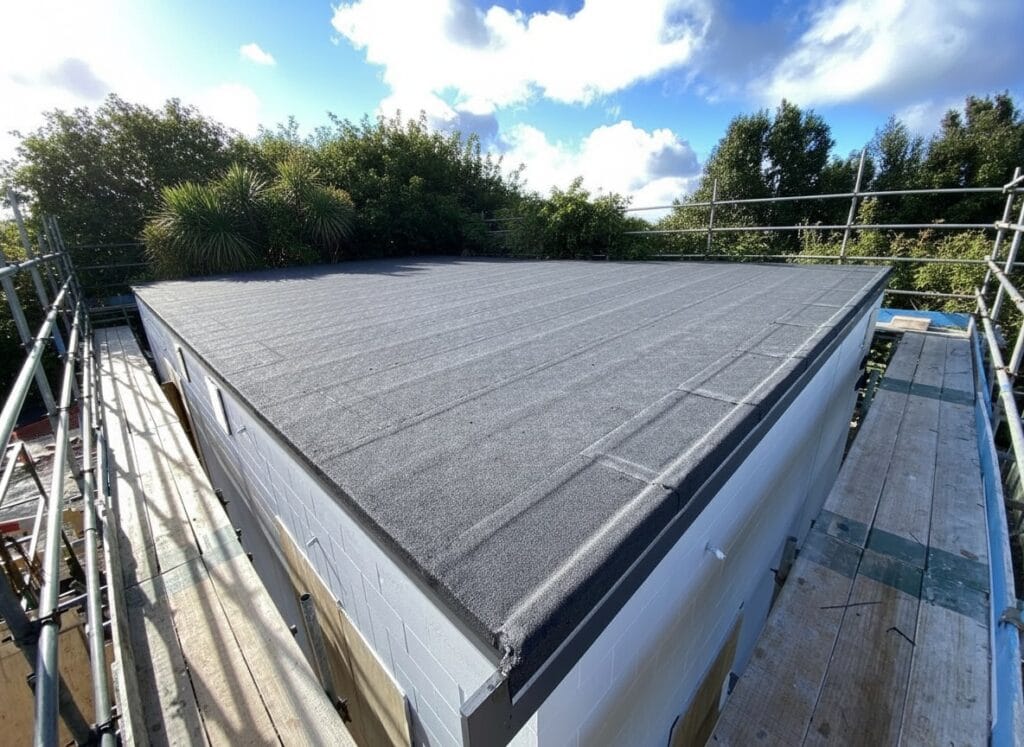
Flat and low-slope roofs are extremely sensitive to moisture-related problems. Water tends to pool on flat surfaces, making waterproofing critical. Summer offers ideal conditions for installing or replacing roof membranes:
- Dry conditions ensure proper substrate preparation and cleaning
- Warm temperatures allow faster curing of torch-on or liquid membranes
- Clear skies simplify roof access and allow safer working at heights
- Completed installations have time to settle before winter rain arrives
Whether you’re installing torch-on bituminous membranes, liquid polyurethane systems, or TPO sheets, summer is the preferred season for this critical work.
2. Underslab and Foundation Waterproofing
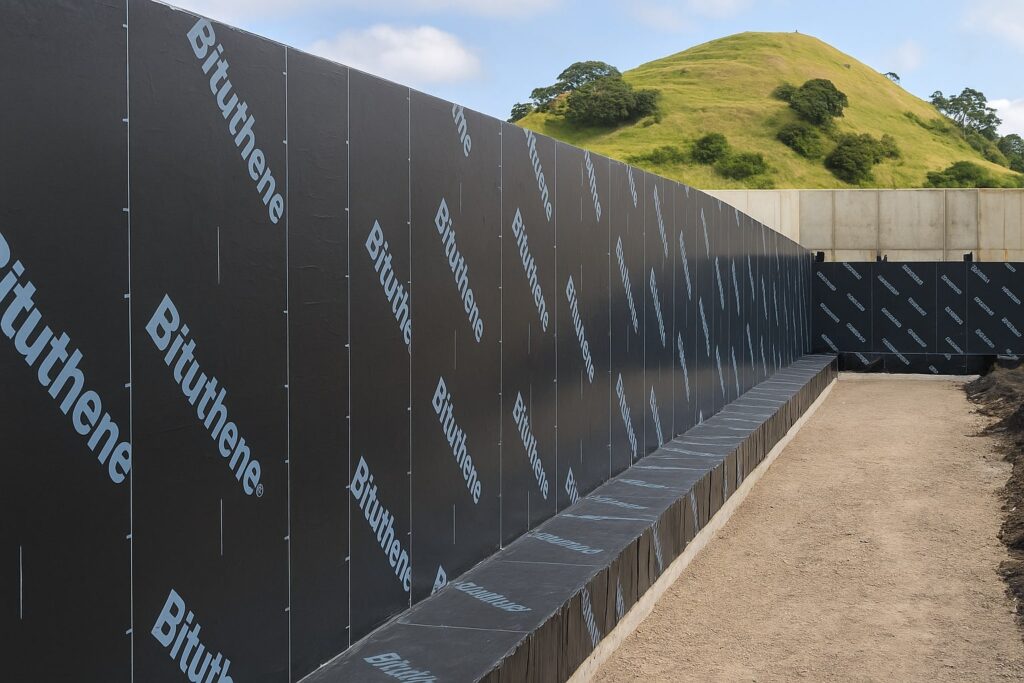
For new builds or renovation projects involving concrete slab waterproofing, summer timing is crucial. Installing membranes like Preprufe 300R or Bituthene 3000 before concrete pouring requires dry ground conditions and stable temperatures:
- Warm temperatures help soil dry after excavation and preparation
- Clear weather allows proper membrane installation without rain damage
- Concrete curing happens faster in summer heat, allowing earlier completion
- Reduced frost risk means better long-term concrete durability
If you’re planning a new build or major renovation involving slab waterproofing, summer is the optimal time to schedule this work.
3. Bathroom and Wet Area Waterproofing
Bathroom waterproofing is one of the most common residential waterproofing projects. Summer allows faster completion of wet areas:
- Substrates dry thoroughly before membrane application
- Liquid membranes cure to full strength quickly
- Tiling can proceed faster, allowing earlier bathroom use
- Humidity from curing membranes dissipates more easily in summer air
For homeowners planning bathroom renovations, scheduling during summer months can significantly reduce disruption.
4. Balcony and Deck Waterproofing
Exposed balconies and decks face constant weathering. Summer installation offers clear advantages:
Dry conditions ensure proper substrate cleaning and preparation
- Dry conditions ensure proper substrate cleaning and preparation
- Membranes cure completely before winter weather arrives
- Completed systems have time to prove watertight before heavy rain
- Detailing around penetrations can be completed without weather interruptions
Whether you’re waterproofing a residential balcony or a commercial deck structure, summer installation maximises long-term durability.
5. External Wall Waterproofing
Building envelope waterproofing—particularly for cavity tray installation, window detailing, and wall membranes—benefits from dry conditions:
- Substrate drying is faster and more reliable
- Detailing around windows, doors, and penetrations can be completed properly
- Membranes achieve full flexibility before winter movement occurs
- Quality inspections are easier in clear, dry conditions
For commercial buildings or multi-unit residential projects, summer scheduling allows complete wall waterproofing before winter weather testing.
Preparing Your Property for Summer Waterproofing Work
If you’ve decided summer is the right time for your waterproofing project, proper preparation maximises results and keeps costs under control.
1. Schedule Early
Summer is busy construction season. Contact waterproofing specialists by late November to secure your preferred installation dates. Early booking ensures:
- Availability of experienced crews
- Time for thorough site assessment and quote preparation
- Opportunity to coordinate with other trades
- Better pricing options before peak season demand
2. Conduct a Pre-Project Inspection
Before work begins, have a professional waterproofing specialist conduct a thorough site inspection. This assessment identifies:
- Current moisture problems or previous failed waterproofing
- Substrate condition and any preparation requirements
- Drainage issues that might affect waterproofing performance
- Specific detailing challenges around penetrations and edges
A comprehensive inspection guides the waterproofing strategy and prevents costly surprises during installation.
3. Ensure Proper Substrate Preparation
Successful waterproofing depends fundamentally on proper substrate preparation. Summer’s dry conditions allow optimal preparation:
- Concrete cleaning to remove dust, oils, and loose material
- Crack filling and minor concrete repairs
- Levelling low spots that might trap water
- Surface profiling to improve membrane adhesion
Don’t skip this critical step. Poor substrate preparation is one of the leading causes of waterproofing failure.
4. Plan for Access and Logistics
Major waterproofing projects require safe access and proper material staging:
- Ensure site access for waterproofing equipment and materials
- Plan for protective coverings if work is near other building areas
- Coordinate utility access (water, electricity) if needed
- Arrange temporary fencing or safety barriers if required
Proper planning reduces project duration and safety risks.
5. Communicate Project Timeline
Clear communication with contractors and other stakeholders prevents scheduling conflicts:
- Confirm start and completion dates
- Understand any weather contingencies
- Plan for curing time before subsequent trades begin
- Schedule inspections to verify quality before signing off
Cost Considerations for Summer Waterproofing

Timing affects both project costs and long-term value:
Why Summer Pricing May Be Higher
- Increased demand for waterproofing services during peak building season
- Contractors prioritise bookings with longer lead times
- Material availability can affect pricing during high-demand periods
Why Summer Investment Pays Off
Despite potentially higher labour costs, summer waterproofing offers financial advantages:
- Faster project completion reduces overall disruption costs
- Superior membrane performance extends system lifespan
- Earlier completion allows faster return-to-service (important for commercial properties)
- Reduced weather delays prevent costly project extensions
- Better quality installations reduce future repair expenses
A premium investment in professional summer waterproofing typically offers better long-term value than rushed winter installation.
Common Summer Waterproofing Mistakes to Avoid
Even with ideal weather, certain mistakes can compromise results:
1. Rushing Substrate Preparation
Don’t skip thorough cleaning and crack repair just because weather is good. Proper preparation is non-negotiable for membrane adhesion.
2. Ignoring Weather Forecasts
Check forecasts before application days. Even summer can bring unexpected rain. Professional teams monitor conditions carefully, but homeowners should be aware of upcoming weather changes.
3. Poor Detailing at Penetrations
Roof penetrations, wall junctions, and edge details are critical. Don’t accept sloppy detailing just because the main membrane area looks good. Failures often occur at these vulnerable points.
4. Installing Without Proper Curing Time
Allow full curing before allowing heavy foot traffic or applying finishes. Membrane specifications detail minimum curing times—respect them.
5. Neglecting Future Maintenance
Waterproofing isn’t “set and forget.” Plan for regular inspections and maintenance to catch problems early and extend system life.
Why Choose Professional Summer Waterproofing
DIY waterproofing might seem cost-effective, but professional installation offers significant advantages:
- Expertise: Professional installers understand substrate-specific challenges and membrane requirements
- Warranty: Quality installers back their work with genuine warranties
- Compliance: Professional work meets New Zealand building standards and BRANZ requirements
- Durability: Proper installation ensures membranes last their full intended lifespan
- Risk Management: Professional crews carry appropriate insurance and liability coverage
For most property owners, professional waterproofing is a worthwhile investment in property protection and longevity.

Frequently Asked Questions About Summer Waterproofing
Final Thoughts: Invest in Summer Waterproofing
New Zealand summers provide the ideal window for professional waterproofing installation. With proper planning, substrate preparation, and professional expertise, summer waterproofing projects deliver superior results, faster completion times, and better long-term durability.
Whether you’re protecting a residential bathroom, securing a commercial roof, or waterproofing a new building’s foundation, summer timing gives your waterproofing investment the best possible chance to perform flawlessly for decades.
Don’t wait for water damage to prompt action. Plan your waterproofing project now and enjoy the protection and peace of mind that comes with a professionally installed, properly cured waterproofing system.
Book Your Free Site Visit Today
Is your property showing signs of water damage? Planning a renovation or new build? Don’t let another summer pass without addressing critical waterproofing needs.
Contact Auckland Waterproofing Experts for a free, no-obligation site visit and professional assessment. Our experienced team will:
- Inspect your property’s waterproofing requirements
- Identify current or potential moisture problems
- Recommend the best waterproofing solution for your specific situation
- Provide a detailed quote and timeline
- Answer all your questions about materials, process, and warranty
Why wait? Summer is the perfect time to schedule your waterproofing project. Limited availability during peak season—book your free site visit now to secure your preferred installation dates.
Call us today or fill an online form on our website to request your free quote. Our waterproofing Experts are ready to help protect your most valuable asset.