What We Learned at BuildNZ 2026
BuildNZ 2026 gave us a useful, real-world view of where New Zealand’s construction industry is heading.
What We Learned at BuildNZ 2026
By Marcus Norman, Auckland Waterproofing Experts
Published: July 2026
We attended the event at Auckland Showgrounds to meet people, see new products and equipment, and look at ideas that may influence waterproofing work in the years ahead. As contractors, we are interested in practical improvements — systems that can be assessed properly, installed reliably and supported in New Zealand over the long term.
The overall atmosphere was positive. There was strong interest in construction quality, safety, training, material performance and technology that can help trades work more efficiently.
The short version
Here is what stood out to us at BuildNZ 2026:
- The construction industry is continuing to invest in better product knowledge, safety and site systems.
- We saw waterproofing-related displays and material options worth investigating further.
- New materials are not adopted simply because they are new; they need to be assessed for suitability, support and long-term performance.
- Site technology is becoming more practical, especially for inspections, documentation and planning.
- The most valuable part of the show was meeting suppliers, specialists, builders and safety professionals who care about doing work properly.
Why we went
Waterproofing is a specialist trade, but it is connected to every stage of a building project.
A waterproofing system can only perform as intended when the design is clear, the substrate is ready, falls and drainage have been considered, the selected materials are compatible and installation details are completed correctly. It also needs to be protected from damage while other trades continue their work.
That is why industry events are useful. They provide a chance to see developments outside our day-to-day sites, ask technical questions directly and learn from the people developing, testing and supporting building products.
Waterproofing ideas we are reviewing
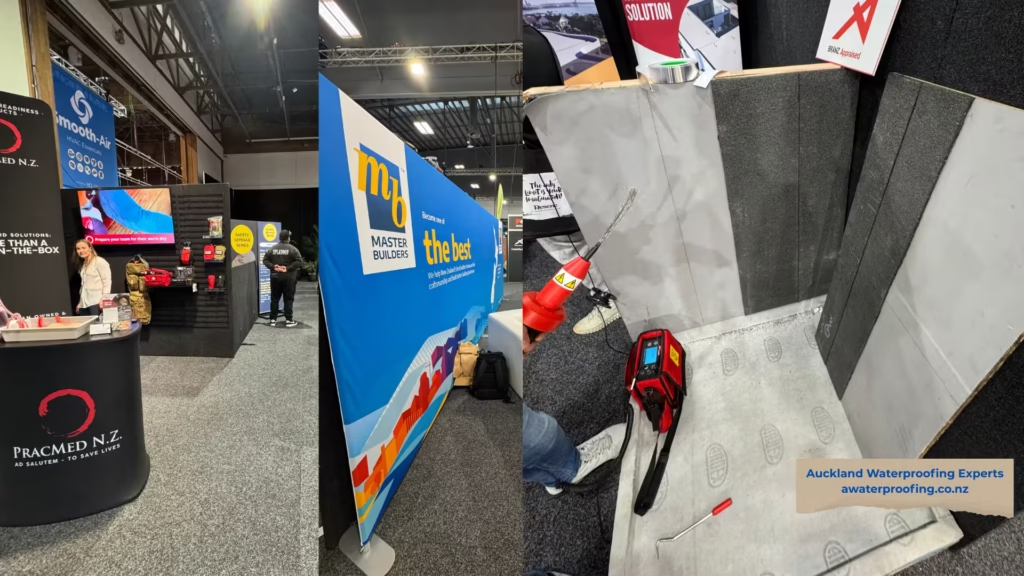
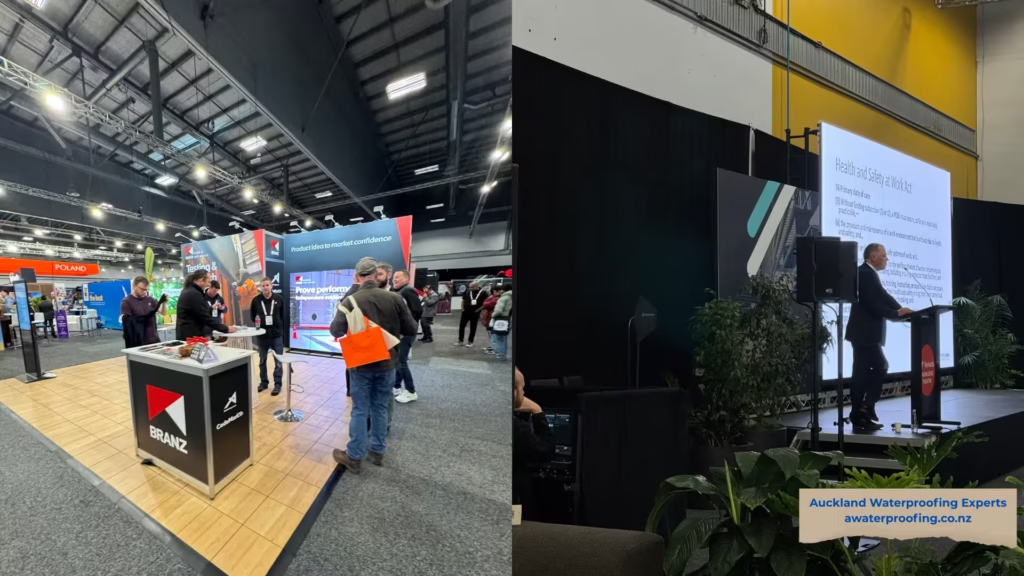
At the show, we spent time looking at waterproofing-related displays, installation concepts, product information and equipment. One display showed membrane detailing over different surfaces and changes in plane — the type of junction where good workmanship makes a real difference.
The display was a good reminder that waterproofing success is rarely about a single product alone. A membrane needs the right substrate, preparation, detailing, drainage and protection.
We also saw product-performance and testing information. This matters because selecting a waterproofing system should be based on evidence and project conditions, not just a product brochure or an attractive sample at a trade show.
How we assess new systems
A question clients and builders may reasonably ask is: “If you see something new at BuildNZ, when would you use it?”
The answer is: only after proper assessment.
Before Auckland Waterproofing Experts would recommend a new system for a project, we would consider:
intended use
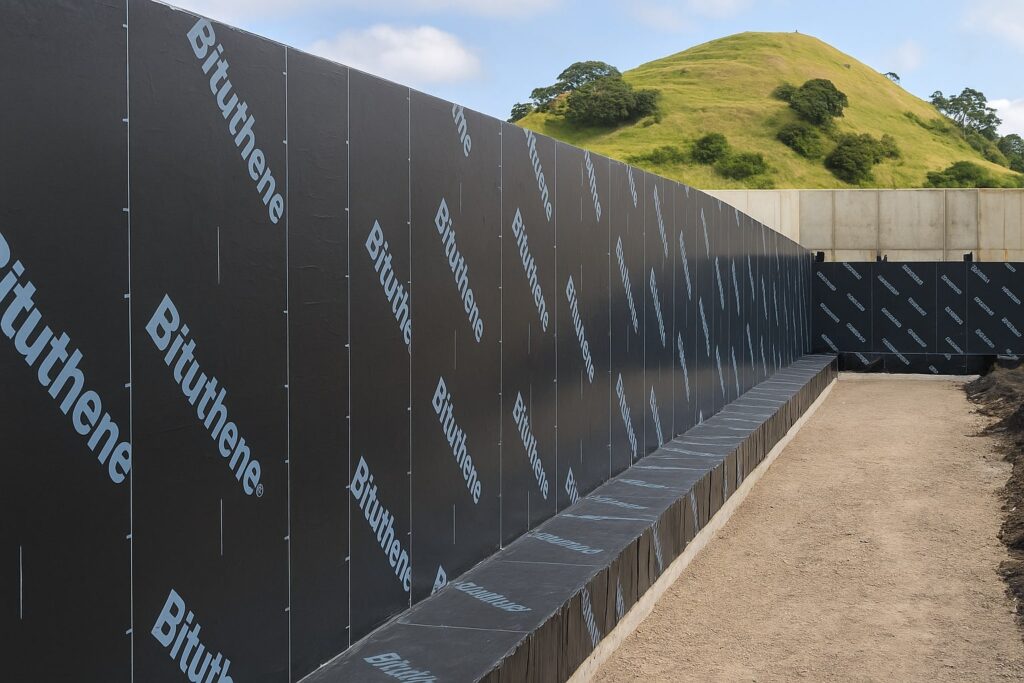
Whether it is designed for roofs, decks, balconies, gutters, internal wet areas, retaining walls or below-ground applications
The substrate
Concrete, plywood, fibre cement, existing membrane, metal or another surface may each require a different preparation method
Weather and exposure
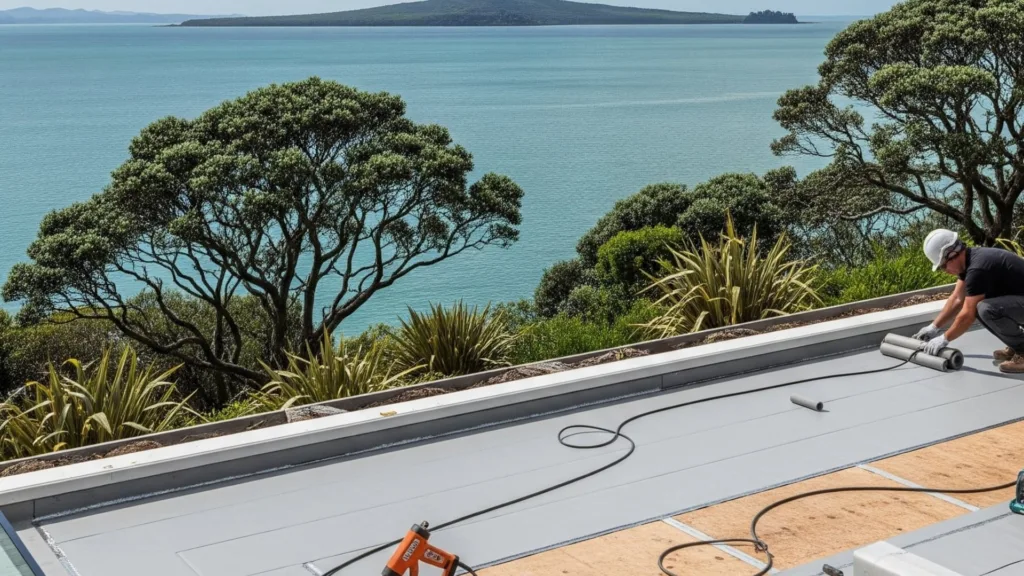
UV exposure, wind, rain, temperature movement, ponding risk and traffic all affect suitability.
Detailing requirements
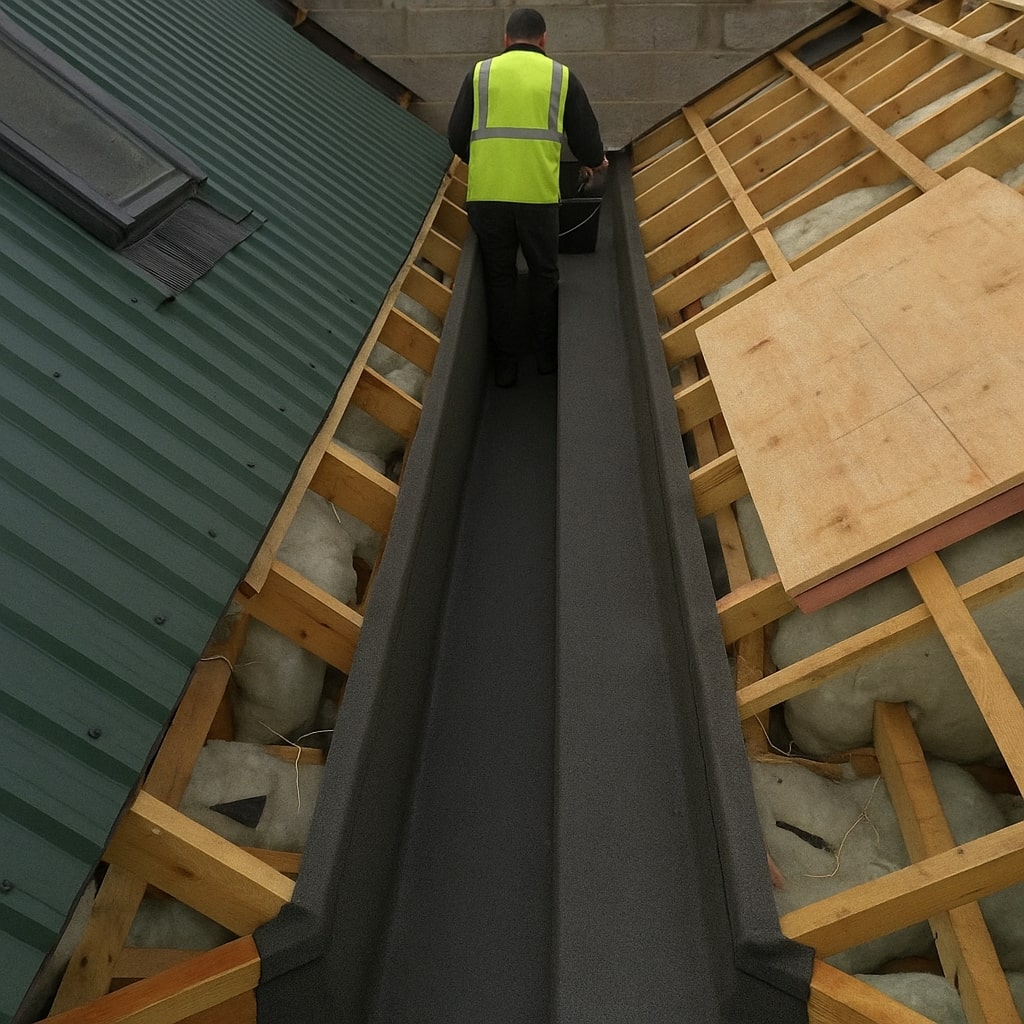
Junctions, upstands, outlets, penetrations, laps, edge terminations and interfaces with other materials must be clear.
Technical support
Manufacturer specifications, local technical representatives, installer training and reliable supply are essential.
Compliance evidence
Relevant appraisal, test information, warranties and documentation need to support the proposed use.
Practical installation
The system must be realistic to install correctly on an active Auckland construction site.
This process protects clients, builders and our own workmanship standards. A product should earn its place on a project through proven suitability — not novelty.
Safety and waterproofing quality
The National Safety Show was held alongside BuildNZ, and it was a significant part of the visit. Waterproofing work can involve heights, roof edges, access constraints, primers and adhesives, hot works, lifting, changing weather and coordination with multiple trades.
Good safety practice supports good waterproofing practice.
A controlled site gives installers the time and access needed to prepare surfaces properly, complete details accurately, protect finished areas and avoid preventable damage.
Practical technology, not gimmicks
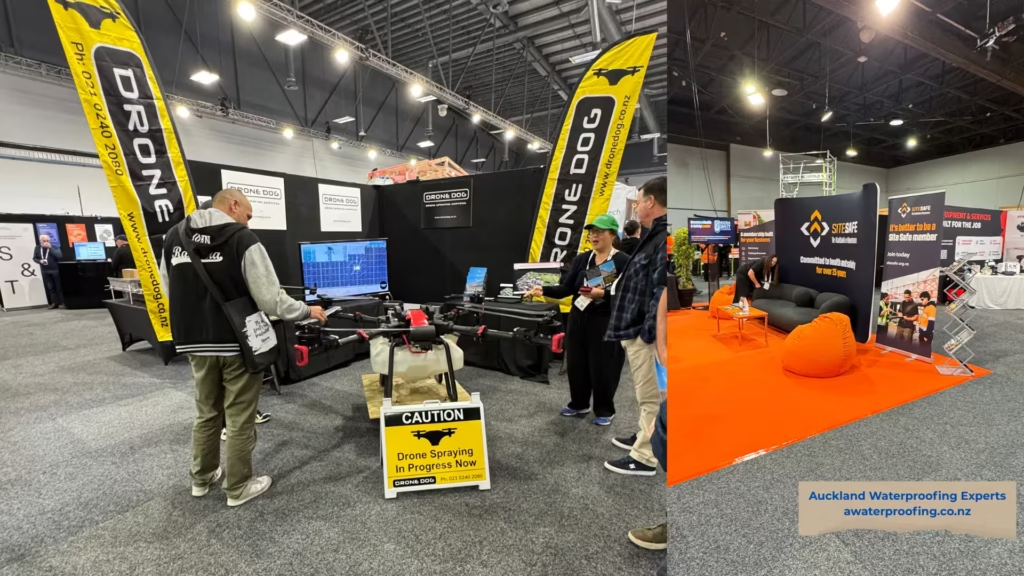
One of the more memorable displays was drone spraying technology. It was not a waterproofing system, but it showed how construction equipment is changing.
For waterproofing, the most useful technology is the type that improves decision-making and documentation. That may include roof inspections, site photography, measurements, condition reports and clearer communication with clients, builders and designers.
Technology can support the job. It does not replace the basics: a correctly selected system, carefully prepared surface and competent installation.
The people made the day
The best part of BuildNZ was speaking with people who are serious about construction quality. We met suppliers, technical representatives, builders, safety specialists and other trade professionals.
There was a shared focus on practical issues: better tools, safer sites, more reliable products and clearer information for people doing the work.
We also noticed more attention being given to site organisation and waste handling. It might seem separate from waterproofing, but a tidy, managed site makes a difference. It reduces trip hazards, helps protect completed work and allows trades to carry out detailed work without unnecessary disruption.
What this means for clients
For homeowners, builders and project managers, the practical takeaway is straightforward:
A good waterproofing contractor should keep up with industry developments, but should not experiment on your building.
The right approach is to combine current knowledge with proven systems, sound technical assessment and careful installation. If a new solution genuinely improves performance or installation outcomes, it should be assessed thoroughly before being put forward for a project.
That is how Auckland Waterproofing Experts approaches our work: stay informed, ask questions, inspect the details and recommend systems based on the needs of the building.
Questions you may ask
Did Auckland Waterproofing Experts find a new product to use immediately?
We saw options worth researching further, but we do not introduce a product to projects without reviewing its technical information, intended use, support, compliance evidence and suitability for New Zealand conditions.
Are newer waterproofing materials always better?
Not necessarily. A newer product may solve a particular problem well, but the best system depends on the structure, substrate, design, exposure, drainage and required finish.
Why do trade shows matter to a waterproofing contractor?
They allow us to see products and methods first-hand, speak directly with technical representatives, compare developments across the industry and keep our knowledge current.
What matters most in waterproofing?
Correct system selection, substrate preparation, proper detailing, drainage, quality installation and protection of the completed system.
Looking ahead
We left BuildNZ 2026 positive about the construction industry’s direction. There is more discussion around product performance, site safety, technical knowledge and practical improvement — all of which support better outcomes for buildings.
Auckland Waterproofing Experts will continue to investigate new waterproofing options carefully while staying committed to the fundamentals that make waterproofing work: good planning, proven materials, correct preparation and attention to detail.
If you are planning waterproofing work in Auckland, we can assess your project and recommend a suitable system for your roof, deck, balcony, gutter, basement, retaining wall or internal wet area.